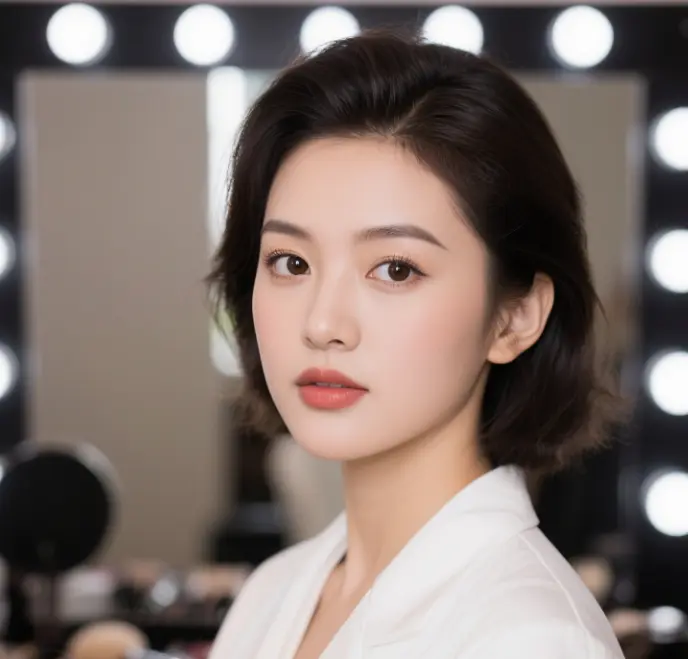
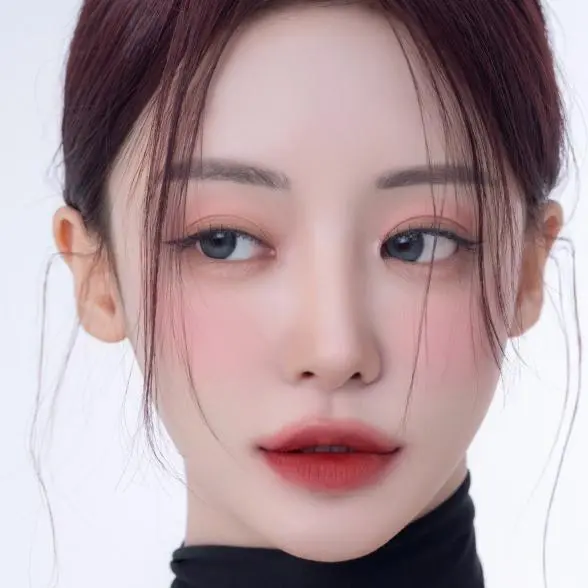
Communication and Conceptualization: Before styling, the makeup artist should thoroughly communicate with the bride to understand her preferences, wedding attire style, and the overall theme of the wedding. Based on factors like the bride's face shape, hair texture, and volume, they will then conceptualize a suitable hairstyle.
Basic Preparation: First, wash and dry the hair. Depending on the needs, straighten or curl the hair to prepare for styling. If the bride's hair is frizzy, apply hair oil or smoothing spray to enhance softness and shine.
Hairstyling: Common bridal hairstyles include updos, loose hair, and half-up half-down styles.
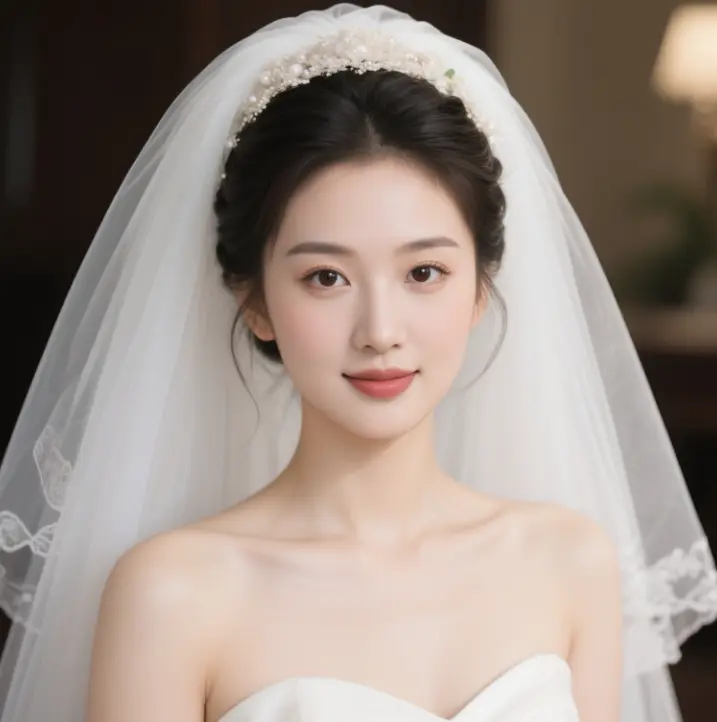
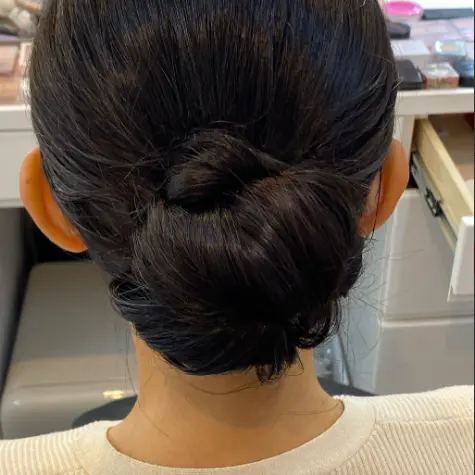
Updo: Suitable for formal weddings, showcasing elegance and grace. Hair can be fully pinned up into a neat bun, such as a classic Chinese chignon or a European-inspired princess updo. Braiding elements can also be incorporated to add texture and dimension. Use bobby pins and hairspray to secure the style firmly.
Loose Hair: Creates a soft, romantic vibe, ideal for outdoor or casual weddings. Style with natural waves cascading over the shoulders or adorn one side with flowers or accessories for sweetness. Lightly apply setting spray to prevent flyaways.
Half-Up Half-Down: Combines elegance and playfulness. The crown section is pinned into a voluminous bun while leaving the sides and back loose—either straight or curled. Embellish with pearls, crystals, or other accessories for added glamour.
Accessory Pairing: Choose accessories like veils, tiaras, headbands, or fresh flowers based on the hairstyle and wedding theme. Veils are essential—long veils exude solemnity while short ones add charm. Tiaras enhance regal elegance for European-style weddings; headbands and flowers bring freshness for outdoor or rustic themes. Skillful placement elevates the overall look.